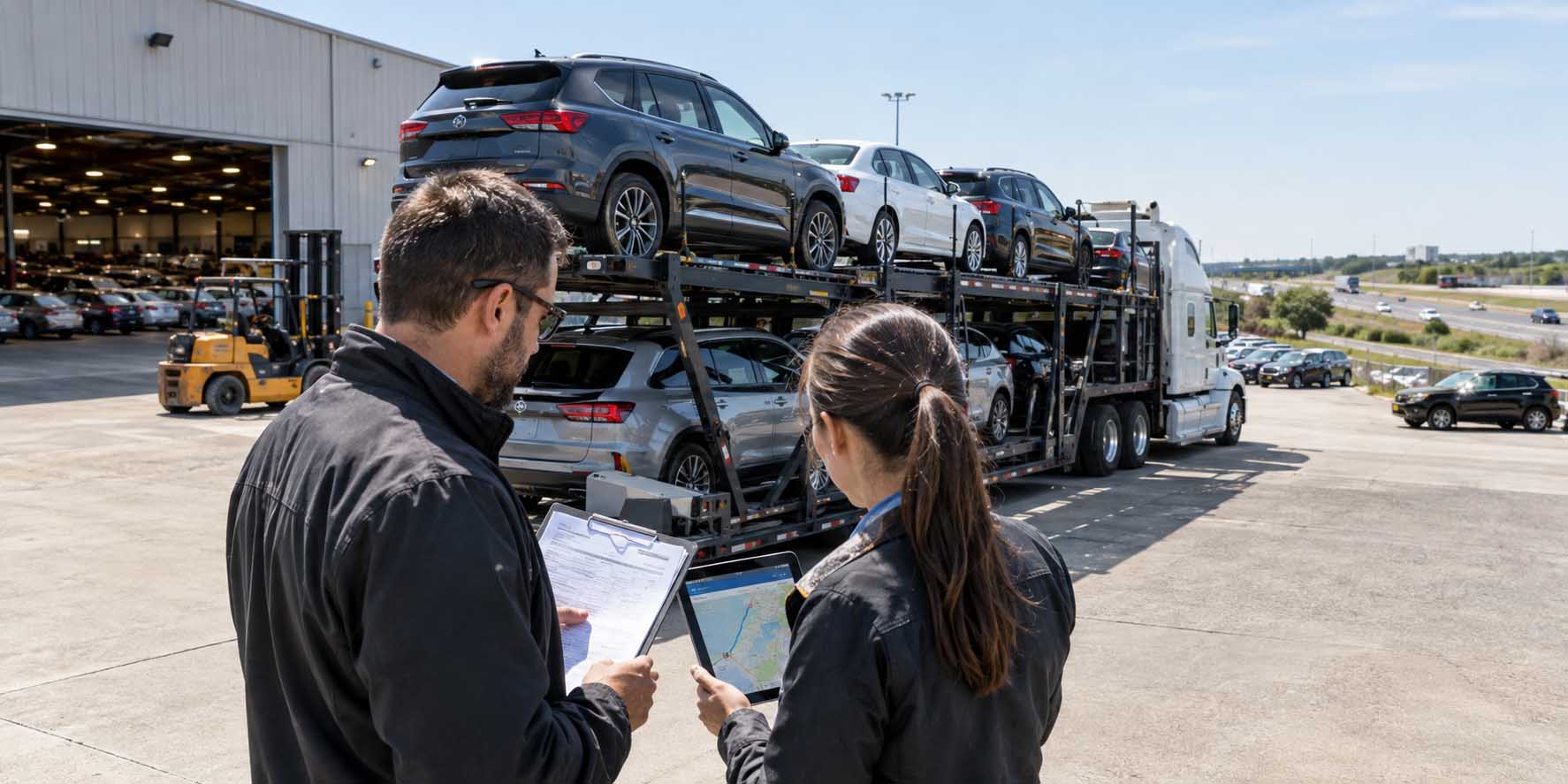
Buying an auction vehicle from another state allows buyers to consider vehicles beyond their local market. However, interstate purchases require additional planning because title transfers, registration requirements, transportation arrangements, and taxes may differ between states.
In most cases, buyers can purchase a vehicle through an out-of-state auction if they meet the auction’s eligibility requirements and comply with applicable laws.
Nevertheless, completing the purchase involves more than winning the bid. Buyers must confirm ownership documents, understand payment deadlines, and arrange legal transportation to the destination.
This guide explains the essential paperwork and delivery considerations involved in purchasing an auction vehicle across state lines.
Can You Buy an Auction Vehicle From Another State?
Yes. Many automotive auctions permit eligible buyers from other states to participate in vehicle sales.
However, participation rules vary by auction provider.
Some auctions are open to individual consumers, while others restrict bidding to licensed automotive dealers or approved business buyers.
In addition, certain vehicles may have special title classifications or restrictions that affect registration in the buyer’s home state.
Therefore, buyers should verify both auction eligibility and destination-state requirements before submitting a bid.
Documents Needed When Buying an Auction Vehicle From Another State
Interstate vehicle purchases generally involve several important documents.
The exact requirements depend on the selling state, destination state, vehicle classification, and transaction type.
Vehicle Title and Ownership Records
The certificate of title is a primary ownership document used in vehicle transfers.
Buyers should confirm that the seller can provide the appropriate title and that the Vehicle Identification Number (VIN) matches the vehicle being purchased.
In addition, check whether the title contains salvage, rebuilt, flood, or other relevant brands.
These classifications may affect registration eligibility.
Bill of Sale
A bill of sale documents important transaction details.
It may include the buyer’s information, seller’s information, vehicle description, VIN, purchase price, and transaction date.
Some states require specific information or additional documentation.
Therefore, buyers should confirm the destination state’s requirements rather than assuming that a generic bill of sale is sufficient.
Odometer Disclosure Requirements
Federal and state rules may require mileage disclosure during certain vehicle ownership transfers.
However, exemptions apply to some vehicles.
Buyers should verify whether the vehicle requires an odometer disclosure and ensure the information is consistent with available records.
Auction Purchase Documents
Auction providers may issue invoices, payment confirmations, release forms, or pickup authorizations.
These documents can be important when arranging vehicle collection and completing ownership paperwork.
Therefore, keep copies of all transaction records until the vehicle has been successfully registered.
Title Transfer Requirements for Out-of-State Auction Vehicles
An out-of-state title generally must be processed according to the registration requirements of the buyer’s destination state.
The process often involves submitting the existing title, ownership documents, identification, and applicable fees.
Some states also require VIN verification, emissions testing, safety inspections, or other procedures.
Check Title Restrictions Before Bidding
A vehicle that qualifies for registration in one state may face additional requirements in another.
This is particularly important for vehicles with salvage or rebuilt titles.
For example, a buyer might purchase a previously damaged vehicle that requires a separate inspection before receiving a title in the destination state.
Consequently, verifying title eligibility before bidding can prevent expensive ownership complications.
Taxes and Registration When Buying an Auction Vehicle From Another State
Vehicle sales tax obligations depend on applicable state laws and the circumstances of the transaction.
In some situations, buyers may owe taxes when registering the vehicle in their home state.
Other transactions may involve taxes collected during the purchase process or credits for qualifying taxes paid elsewhere.
However, these rules are not uniform.
Buyers should consult the appropriate state tax authority or motor vehicle agency to determine their actual obligations.
Registration fees, license plate charges, and inspection expenses may also apply.
Calculate the Total Interstate Purchase Cost
The winning auction bid is only one part of the total acquisition expense.
For example, buyers may also need to budget for auction fees, title processing, sales taxes, registration, transportation, and vehicle repairs.
Therefore, calculate these costs before deciding how much to bid.
A lower auction price may not represent a better deal if transportation and registration expenses significantly increase the final cost.
Shipping an Auction Vehicle Across State Lines
Transportation is one of the most important practical considerations in an interstate auction purchase.
Buyers generally have two options: arrange professional vehicle shipping or collect the vehicle personally.
Professional Vehicle Transportation
Automotive transport companies move vehicles between auction facilities and delivery destinations.
Common transportation arrangements include open and enclosed carriers.
Open transportation is frequently used for standard vehicles, while enclosed transportation may be preferred for vehicles requiring additional protection.
Shipping estimates depend on distance, vehicle size, operating condition, route availability, and delivery arrangements.
Before selecting a carrier, buyers can review the Federal Motor Carrier Safety Administration’s consumer protection information to better understand transportation-related consumer protections. Buyers should also confirm that a prospective auto transporter has appropriate operating authority and insurance.
Personal Vehicle Collection
Some buyers prefer collecting the vehicle themselves.
However, this option requires careful consideration of travel expenses, vehicle condition, temporary registration requirements, and insurance.
A newly purchased vehicle may not be legally drivable without appropriate documentation.
Likewise, a non-running vehicle may require towing or specialized transportation.
Checking Interstate Auction Pickup and Delivery Policies
Before purchasing a vehicle from another state, buyers should review the auction provider’s payment, release, and collection procedures.
For example, someone researching https://onlauction.com/ should verify the website’s current business information and published transaction terms before assuming that interstate purchasing or delivery services are available.
Important questions include:
- Where is the vehicle physically located?
- When must payment be completed?
- What documents are required for vehicle release?
- Does the facility allow third-party transport companies?
- Are storage fees charged after the pickup deadline?
- Who is responsible for arranging transportation?
Confirming these details helps buyers coordinate collection without unnecessary delays.
Verify Vehicle Release Requirements
Auction facilities may require specific documents before allowing a vehicle to leave the property.
For example, a transport company might need a release authorization, pickup reference number, or confirmation of payment.
Therefore, buyers should communicate these requirements to the carrier before scheduling collection.
Failure to coordinate the paperwork may result in missed pickup appointments or additional storage charges.
Vehicle Shipping Insurance and Transportation Risks
Transporting a vehicle across state lines introduces risks that buyers should understand.
Although professional carriers may maintain insurance coverage, the scope and limits of that coverage vary.
Before booking transportation, request information about the carrier’s insurance and claims procedures.
In addition, document the vehicle’s condition before loading whenever possible.
Photographs and a vehicle condition report can help establish its condition at pickup.
Upon delivery, inspect the vehicle and document any new damage promptly according to the carrier’s procedures.
Inspect the Vehicle at Delivery
When the vehicle arrives, compare its condition with available auction photographs and transportation inspection records.
Look for visible damage that may have occurred during shipping.
If you identify a problem, document it promptly and follow the carrier’s reporting procedures.
However, remember that shipping damage and previously documented auction defects are separate issues.
Example: Buying an Auction Vehicle From Another State
Consider a buyer living in Ohio who purchases a used sedan from an auction facility in Georgia.
After winning the auction, the buyer must arrange payment, obtain the required ownership documents, and coordinate vehicle transportation.
Before registration, the buyer should verify Ohio’s requirements for processing an out-of-state title.
The buyer must also account for applicable taxes, registration charges, and any required inspections.
This example illustrates why interstate purchasing requires coordination between the auction provider, transportation company, and destination-state authorities.
Common Mistakes When Purchasing Out-of-State Auction Cars
Several mistakes can complicate an interstate auction purchase.
- Ignoring destination-state title rules: Buyers may discover registration restrictions after receiving the vehicle.
- Assuming shipping is included: Transportation may be a separate expense.
- Missing pickup deadlines: Delayed collection can result in additional charges.
- Failing to verify transport coverage: Insurance assumptions may create problems if damage occurs.
- Overlooking vehicle condition: A non-running vehicle may require specialized loading arrangements.
- Underestimating total expenses: Taxes, transportation, and registration can significantly increase the final acquisition cost.
Planning for these issues before bidding reduces uncertainty.
Frequently Asked Questions About Interstate Vehicle Auctions
Can You Register an Auction Car Purchased in Another State?
Generally, yes, provided the vehicle and ownership documents satisfy the destination state’s registration requirements.
However, additional inspections or restrictions may apply.
Who Pays for Shipping an Auction Vehicle?
Responsibility depends on the auction’s terms and the purchase agreement.
Buyers should confirm transportation arrangements before bidding.
Do You Need Insurance Before Shipping a Vehicle?
Requirements depend on the transportation arrangement, carrier, and applicable circumstances.
Buyers should confirm transport coverage and determine when their own vehicle insurance needs to begin.
Can You Drive an Auction Vehicle Home From Another State?
Possibly, if the vehicle is roadworthy and the buyer satisfies applicable registration, permit, and insurance requirements.
However, buyers should not assume that every auction vehicle can be legally driven immediately after purchase.
What Should You Verify Before Buying an Out-of-State Auction Car?
Confirm auction eligibility, title status, registration requirements, taxes, payment deadlines, and transportation arrangements.
In addition, review the vehicle’s condition and estimate the complete purchase cost before bidding.
Final Thoughts on Buying an Auction Vehicle From Another State
Buying an auction vehicle from another state can expand purchasing options, but successful transactions require careful preparation.
Title documentation, destination-state registration rules, taxes, transportation arrangements, and insurance considerations all influence the purchasing process.
Before bidding, buyers should confirm the vehicle’s legal status, review auction terms, and estimate the complete acquisition cost.
By coordinating paperwork and delivery requirements in advance, interstate auction buyers can reduce avoidable delays and make more informed vehicle purchasing decisions.