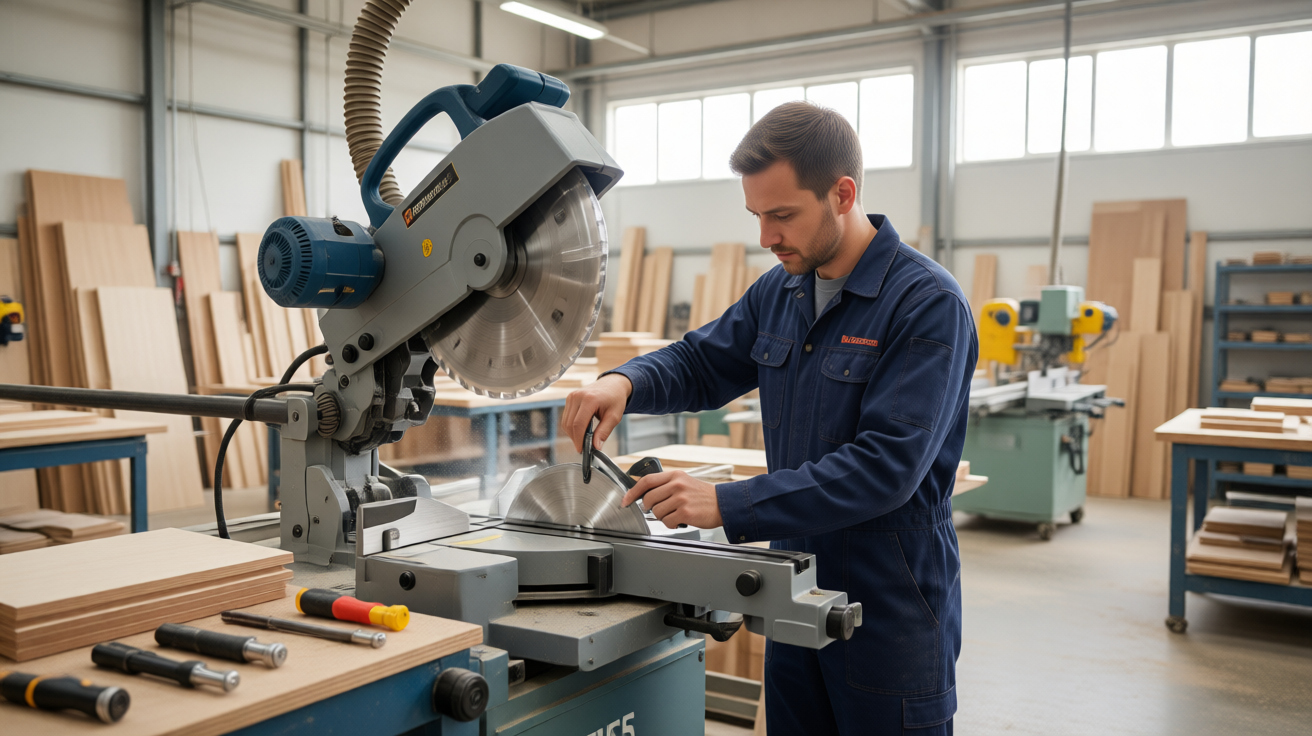
Effective industrial woodworking machine maintenance should include scheduled checks of cutting tools, lubrication points, belts, bearings, dust-extraction systems, machine alignment, electrical and pneumatic components, and safety systems. Factories should base the exact inspection intervals on the machine type, operating conditions, workload, and manufacturer maintenance instructions.
Preventive maintenance aims to identify wear, contamination, misalignment, and other developing issues before they disrupt production. Instead of waiting for a machine to fail, factories create routine checks that help keep equipment in appropriate operating condition.
What Is Preventive Maintenance for Industrial Woodworking Machines?
Preventive maintenance is planned inspection and servicing carried out before an equipment failure occurs.
Industrial woodworking machines operate around sawdust, wood chips, vibration, moving mechanisms, cutting tools, and repetitive production cycles. These conditions can gradually affect components even when a machine appears to be operating normally.
The maintenance requirements of a CNC router will not be identical to those of a panel saw, edge bander, drilling machine, wide belt sander, or four-side moulder. Therefore, each machine should have its own maintenance schedule rather than relying on one generic factory checklist.
Start With Cleaning and Routine Visual Checks
Regular inspection often begins with basic observations.
Operators can check accessible machine areas for excessive dust, chips, damaged components, loose fittings, leaks, unusual wear, or other visible changes.
Areas around sensors, guides, cutting zones, feeding mechanisms, and extraction points may require particular attention according to the machine design.
Operators should also report changes in sound, vibration, cutting behavior, or machine movement. A new vibration or unusual operating noise may indicate a developing mechanical issue that requires further inspection.
Cleaning and inspection must always follow appropriate machine-safety procedures. Guards should not be bypassed, and hazardous maintenance areas should only be accessed under the required isolation procedures.
Inspect Cutting Tools Before Quality Declines
Cutting tools directly affect woodworking performance.
Saw blades, router bits, drills, cutters, and moulding tools experience normal wear during production. Their condition can vary according to the material being processed, operating parameters, tooling quality, and workload.
Factories should inspect tooling for signs that servicing or replacement may be required.
Changes such as deteriorating edge quality, unusual cutting behavior, or increased machining difficulty can indicate that tooling needs attention. Tool holders and mounting areas should also remain clean and be inspected according to machine and tooling recommendations.
A planned tool-management process is generally more effective than waiting until a cutter becomes unusable during production.
Follow the Correct Lubrication Schedule
Lubrication helps suitable moving components operate as intended, but different machines have different requirements.
Maintenance teams should identify the correct lubrication points, lubricant type, quantity, and service interval from the manufacturer’s documentation.
Depending on machine design, lubrication requirements may apply to components such as guides, chains, bearings, gears, or other moving assemblies.
More lubricant is not automatically better. Incorrect products or application methods may create their own problems.
For this reason, factories should record when scheduled lubrication is completed and follow machine-specific procedures.
Check Belts, Bearings, and Drive Components
Belts, bearings, and drive components should form part of an industrial woodworking machine maintenance routine.
Drive belts can experience wear over time and should be checked for visible deterioration, damage, or other conditions identified by the equipment manufacturer.
Bearings may provide warning signs through changes in noise, vibration, movement, or operating behavior. These changes should be investigated rather than accepted as normal simply because the machine continues to run.
Factories operating multiple types of woodworking equipment can benefit from maintaining separate inspection and service records for each machine, since a CNC system, panel saw, sander, drilling machine, and edge bander can have substantially different maintenance requirements.
Keep Dust Extraction Systems Clear and Functional
Dust extraction should be considered part of machine maintenance, not merely factory housekeeping.
Woodworking processes can generate dust and chips around cutting, sanding, routing, drilling, and moulding operations. Extraction connections, hoses, ducts, and collection points should therefore be inspected according to the system’s maintenance requirements.
Restrictions or damaged connections can reduce effective extraction at the machine.
Dust accumulation may also interfere with work areas, sensors, surfaces, or moving components. More importantly, wood dust requires appropriate workplace controls because it can present health and fire hazards.
Factories should follow applicable safety requirements and the instructions provided for their dust-control systems.
Verify Calibration and Machining Accuracy
An industrial woodworking machine does not necessarily have to stop working before maintenance becomes necessary.
A machine may continue operating while its output gradually moves away from the required dimensions or machining positions.
Factories should therefore include suitable accuracy checks in their maintenance program.
For example, panel-saw inspections may include verification of cutting dimensions or alignment. CNC machinery may require checks related to reference positions, tooling, or programmed accuracy. Drilling equipment may need verification that hole locations remain consistent.
The appropriate procedure depends on the machine and should follow manufacturer-approved methods.
Regular measurement can reveal developing accuracy problems before a large quantity of components reaches downstream production.
Inspect Pneumatic and Electrical Components
Many modern woodworking machines combine mechanical systems with sensors, electrical controls, switches, motors, and pneumatic components.
Routine observations can identify damaged hoses, air leaks, unusual pressure behavior, damaged cables, sensor problems, or control warnings.
Technical electrical work should only be performed by appropriately qualified personnel and under proper isolation procedures.
Operators do not need to diagnose every electrical or pneumatic fault themselves. Their role can be to recognize unusual behavior and report it before the issue becomes more disruptive.
Do Not Ignore Safety Devices
Machine maintenance should also include appropriate inspection of safety-related systems.
Depending on the equipment, these may include guards, interlocks, emergency stops, protective covers, sensors, or other manufacturer-installed safety features.
Damaged or malfunctioning safety components should not be bypassed to keep production moving.
Factories should follow the manufacturer’s inspection procedures and applicable workplace safety requirements when testing or servicing these systems.
How Often Should Industrial Woodworking Machines Be Maintained?
There is no universal maintenance interval that applies to every machine.
Some checks may be required before a shift or during routine operation. Other tasks may be scheduled weekly, monthly, after specified operating hours, or according to another manufacturer-defined interval.
Operating conditions matter as well. Machines used intensively or exposed to particularly demanding materials and production environments may require different attention from equipment used less frequently.
The manufacturer’s maintenance documentation should provide the foundation for the schedule, while factory records can help maintenance teams track completed work and recurring issues.
Keep a Maintenance History for Every Machine
Maintenance records turn individual inspections into a structured equipment-care program.
A machine history can document lubrication, tool servicing, calibration checks, replacement parts, inspections, faults, and scheduled maintenance.
These records can help a factory identify recurring issues and prepare upcoming service work around production schedules.
They also make it easier for different operators and maintenance personnel to understand what has already been checked rather than relying on memory.
Preventive maintenance works best when it becomes a routine part of industrial woodworking operations. By systematically checking cutting tools, lubrication, drive components, bearings, extraction, calibration, controls, and safety systems, factories can identify developing problems earlier and keep maintenance organized around the actual requirements of each machine.